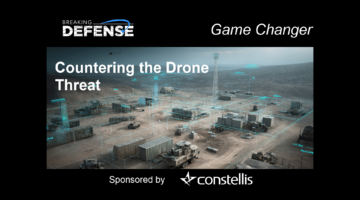
You can’t have a fence high enough to protect your facility against drones
New threats, including downstream attacks, drive the need for improved tools to protect critical assets.

New threats, including downstream attacks, drive the need for improved tools to protect critical assets.

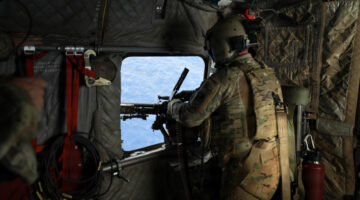
Distance, sparse infrastructure, and contested communications force a different approach to connectivity.

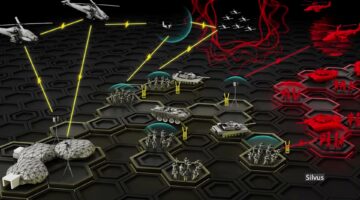
RF sensing at greater distance gives operators more decision space to act.

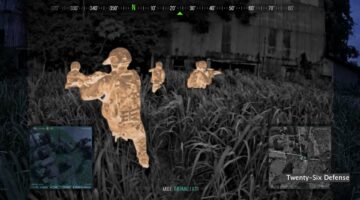
How to give soldiers awareness and targeting without adding complexity.

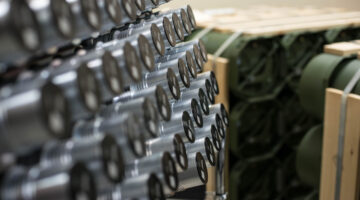
APKWS® laser‑guidance kit provides reliable precision‑guided munitions across missions and platforms, delivered quickly to meet evolving operational demands.

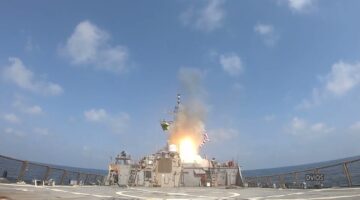
Expanding manufacturing capacity is critical to producing missiles, radars, and launch systems.

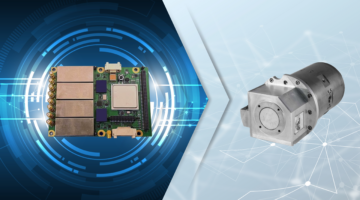
As threats continue to evolve, speed will increasingly depend on what is already available when the need emerges.

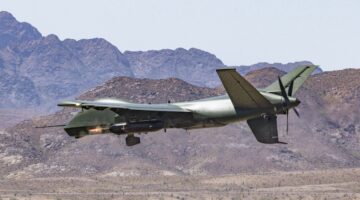
Both aircraft are designed to evolve as threats and mission requirements change.

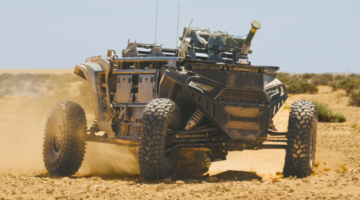
One commander, many robots: Fully autonomous ground vehicles are reshaping the battlefield.

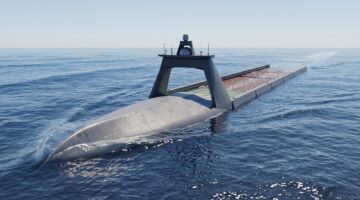
Systems that can work independently while still being part of a unit are critical to carrying out multi-domain operations.


Lithium-metal batteries are one way to break the weight and endurance limits of today’s unmanned systems.


Decentralized Embodied Collaborative intelligence enables better reconnaissance, logistics and combat capabilities.

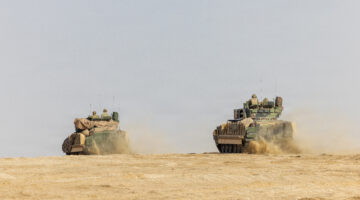
Army vehicles like Bradley need greater power at the sprocket for speed, braking, and maneuverability.

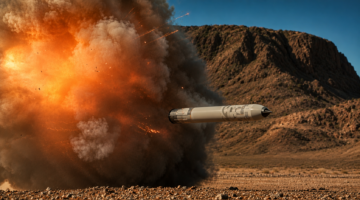
The goal of such weaponization is to tie warfighter needs to the RDT&E cycle.